Blog ·
The Art and Craft Behind Handmade Seating
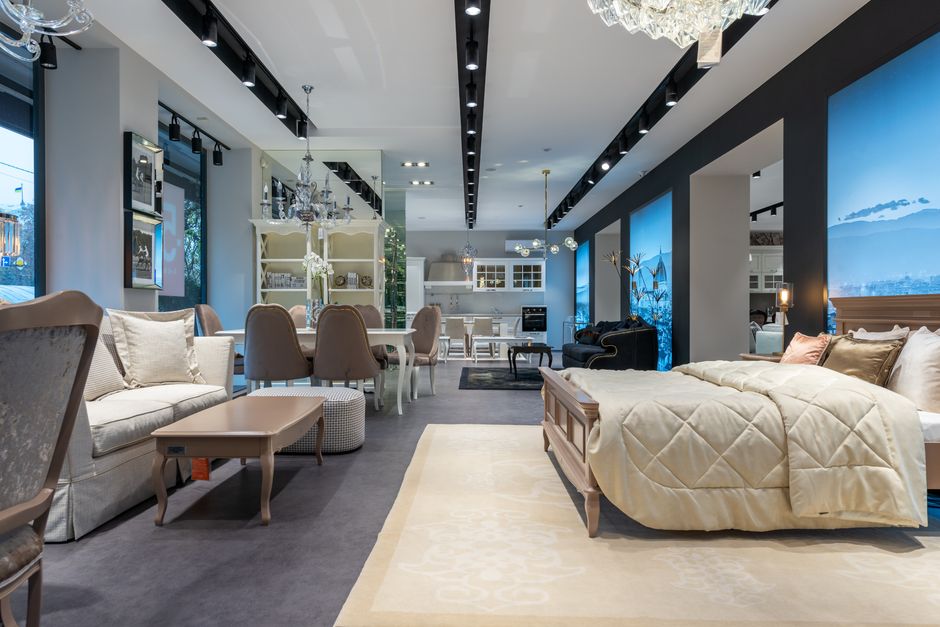
Handmade seating represents a convergence of artistic vision, technical skill, and deep understanding of how furniture functions in our daily lives. Unlike mass-produced chairs, handcrafted pieces carry the intention and expertise of their makers throughout every detail.
Designing for the Human Body
The journey of creating handmade seating begins with design considerations that mass production cannot easily accommodate. Craftspeople ask fundamental questions: How will this piece support the human body? What movements does a person make when sitting? How can the design balance beauty with ergonomic comfort? These questions inform decisions about seat height, back angle, arm positioning, and overall proportions that make a piece genuinely comfortable for the people who use it.
Joinery and Frame Construction
The frame construction is where true craftsmanship becomes evident. Traditional joinery methods like mortise and tenon joints create connections that are stronger and more beautiful than mechanical fasteners. These joints are carefully fitted by hand, often without glue alone, allowing the wood to move naturally. The maker understands wood movement and builds this knowledge into the structure itself. Properly constructed handmade seating becomes stronger with time rather than weaker.
Choosing the Right Materials
Wood selection for seating requires particular attention. The wood must be strong enough to support body weight repeatedly without flexing excessively, yet responsive enough to feel comfortable. Hardwoods like oak, maple, and cherry are chosen for durability and beauty. The grain and figure of the wood are considered not just for appearance but for structural integrity.
Upholstery Craftsmanship
Upholstery in handmade seating is a specialized craft. Traditional upholstery involves layering materials from the wood frame outward: webbing, springs or sinuous wire, multiple layers of padding, and finally the covering fabric. Each layer is hand-stitched and secured with precision. This layering creates comfort that synthetic, glued-together upholstery simply cannot match. The craftsmanship ensures even wear and years of comfortable use.
Finishing for Longevity
The finishing process on handmade seating involves careful sanding, staining, and sealing of exposed wood. Finishes are often hand-applied and may include multiple coats, sanded between applications, to create depth and durability. What truly distinguishes handmade seating is its responsiveness to individual needs. Custom dimensions accommodate different body types. Wood selections can match your décor. Fabric choices reflect your aesthetic. Handmade seating is made for real people, not theoretical averages, creating comfort and beauty that mass production cannot replicate.