Blog ·
Joinery Techniques That Make Your Custom Furniture Last
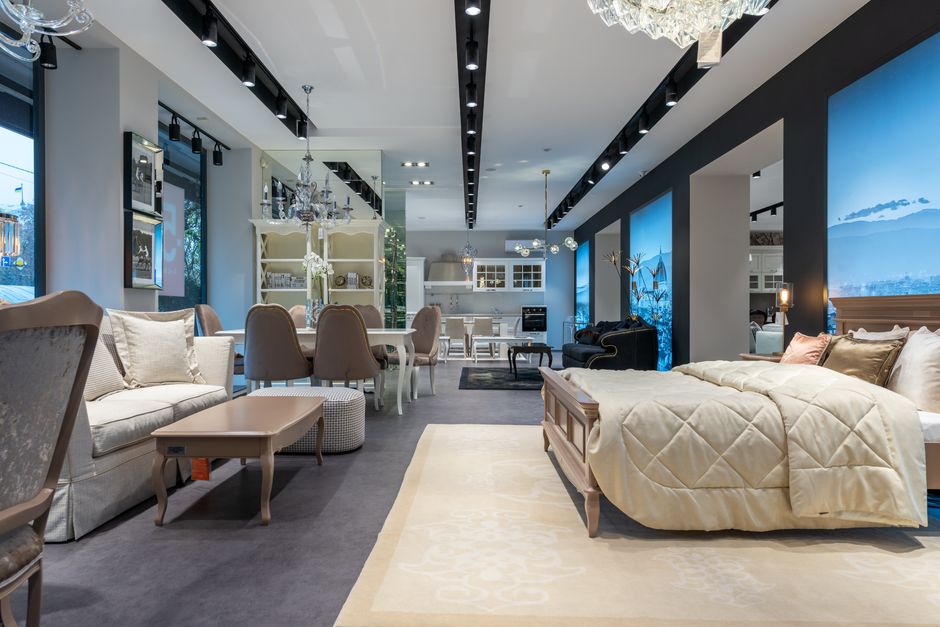
When you invest in custom furniture from Acedia Lux, you're not just buying a piece—you're bringing home craftsmanship that endures. The difference between furniture that lasts generations and pieces that deteriorate lies largely in one critical element: joinery. The techniques we use to connect wood determine the strength, stability, and longevity of your bespoke dining table, custom sofa frame, or built-in cabinet.
What is Joinery?
Joinery is the method by which two pieces of wood are fitted and joined together. Unlike fasteners alone, proper joinery creates joints that strengthen over time rather than weaken. For handmade furniture, this is what separates heirloom pieces from disposable ones.
Key Joinery Techniques We Use
Mortise and Tenon Joints are the backbone of traditional furniture construction. A mortise is a rectangular cavity cut into one piece of wood, while a tenon is a protruding piece that fits into it. This joint is exceptionally strong and is ideal for the frames of custom dining tables and sofas, where joints bear significant weight and stress.
Dovetail Joints interlock like puzzle pieces, creating joints that are extremely resistant to being pulled apart. You'll find these in the drawers of bespoke furniture and in sections of custom seating where durability is essential.
Box Joints (also called finger joints) offer excellent strength along with visual appeal. They're often used in built-in cabinetry and the sides of handmade furniture pieces, creating a distinctive, interlocking pattern.
Pocket Hole Joinery is used strategically in modern bespoke furniture design. Holes are drilled at an angle and reinforced with screws hidden from view. This method is particularly useful in connecting stretchers and support frames where strength matters but visibility doesn't.
Why This Matters for Your Investment
When you commission a custom dining table, the joinery in the base and apron determines whether it will wobble after five years or remain solid for fifty. With tailored custom sofas, the joinery in the frame directly impacts how long the piece will hold its shape and support weight.
Bespoke furniture and built-ins demand joinery that accommodates the unique dimensions and specifications of your space. Off-the-shelf joinery techniques don't work; we select and execute methods that suit each individual piece.
Your Role in the Process
Understanding joinery helps you appreciate the craftsmanship in your custom furniture. When you work with us on your perfect custom dining table or tailored seating, ask about the joinery methods we've chosen. Good joinery isn't flashy—it's hidden, it's functional, and it ensures your investment remains beautiful and sturdy for decades.